

blue mirror glass sheets
The Significance and Applications of 5% Gate Valves Gate valves are crucial components in various industrial systems, particularly in the oil and gas, water supply, and chemical processing sectors. These valves are designed to start or stop the flow of a fluid by lifting a barrier (the gate) out of the path of the fluid. Among the different types of gate valves, those rated at 5% capacity play a significant role due to their efficient design and operational reliability. This article explores the importance, design features, and applications of 5% gate valves in contemporary industry. Overview of Gate Valves Gate valves are traditionally used in applications where minimal turbulence is required. When fully opened, gate valves provide a smooth, unrestricted flow path and can handle high-pressure scenarios with ease. This is particularly important in pipelines where the flow speed needs to be maintained without causing pressure drops or flow turbulence, which can lead to system inefficiencies and potential damage. Understanding the 5% Specification The 5% in 5% gate valve refers to its capacity rating, which means it is well-suited for applications requiring precise control over fluid flow. In contexts such as water treatment plants or manufacturing processes where consistency is key, a 5% gate valve allows operators to finely adjust the flow rate while managing the pressures within the pipeline. The ability to control fluid flow with such accuracy can be critical for maintaining operational efficiency and ensuring safety in high-stakes environments. Design Features The design of a 5% gate valve includes several key features that distinguish it from other types of valves. Firstly, the valve's gate is typically made from robust materials like stainless steel or cast iron, ensuring durability and resistance to corrosion and wear. This is particularly important in applications that involve aggressive fluids or extreme environments. 5 gate valve Secondly, the sealing mechanism of these valves is designed to prevent leakage when closed, which is essential for maintaining pressure and preventing contamination. Advanced sealing technologies, such as elastomeric seals or metal-to-metal seating, further enhance the valve's performance. Another important aspect is the actuator mechanism, which can be manual, electric, or pneumatic. The choice of actuator depends on the specific requirements of the application, such as the speed of operation, power availability, and the need for remote control. Applications of 5% Gate Valves 5% gate valves are widely employed across various industries. In the oil and gas sector, for instance, they are used in pipeline infrastructure to regulate the flow of crude oil, natural gas, and refined products. Their ability to withstand high pressures makes them ideal for these applications, ensuring safe and efficient transport of vital resources. In the water treatment industry, 5% gate valves are commonly installed in treatment plants to control the flow of water during processing stages. They are crucial for maintaining optimal pressure levels and ensuring that the treatment process is effective. Furthermore, in chemical processing, where precise chemical mixtures are essential, these valves help control the flow of various chemicals safely. In addition to these traditional sectors, 5% gate valves are increasingly being utilized in renewable energy applications, such as biogas plants and hydroelectric power stations. Their ability to handle fluctuations in pressure and maintain flow integrity is invaluable in these rapidly evolving industries. Conclusion The role of 5% gate valves in modern industry cannot be understated. Their design focuses on reliability, precision, and durability, making them an essential choice for various critical applications. As industries continue to evolve and the demand for efficient fluid control systems rises, gate valves will undoubtedly remain at the forefront of ensuring safe and effective operations across multiple sectors. By understanding their significance, operators can better appreciate the value these valves bring to industrial processes, contributing to the overall efficiency and safety of operations.
about
blue mirror glass sheets
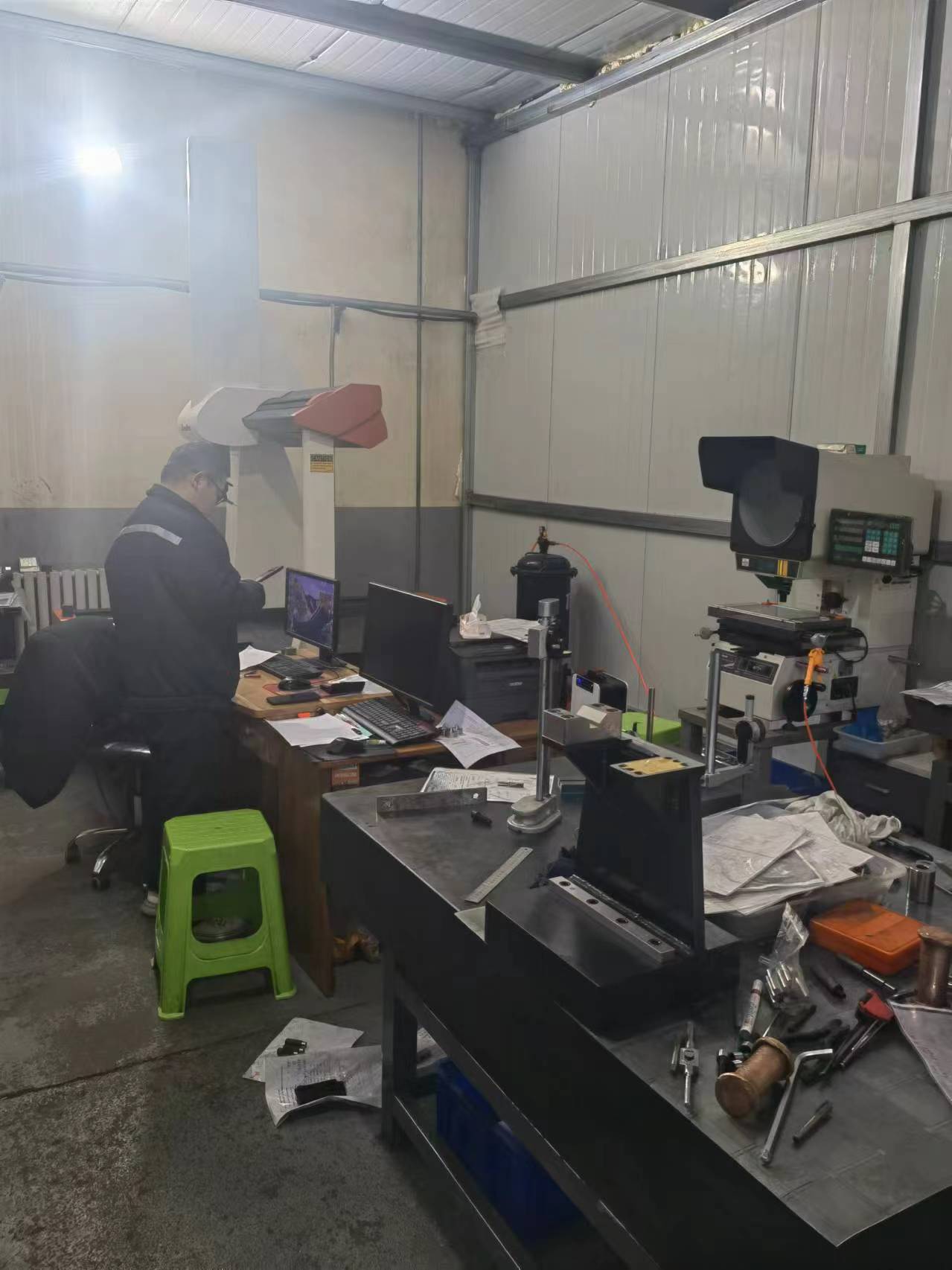
Understanding Tapering Gauges An Overview In the world of manufacturing and mechanical engineering, precision is paramount. Tapering gauges are crucial tools used to measure and assess the dimensions of conical surfaces, such as those found in pipes, tubes, and various fittings. By understanding tapering gauges—how they work, their types, and their applications—engineers can ensure that products meet necessary specifications and operate effectively. What Are Tapering Gauges? Tapering gauges are specialized measuring tools designed to check the taper of a surface. A taper is a uniform reduction in thickness or diameter along a length, often seen in machine parts and fittings. The importance of precise measurements cannot be overstated, as inaccuracies can lead to poor fittings, malfunctioning machinery, or even safety hazards. These gauges typically consist of a series of blades or pins, each calibrated to a specific taper angle. Users employ them to determine whether a given workpiece meets required tolerances. Tapering gauges are particularly useful in industries dealing with piping, automotive components, and aerospace parts, where accurately fitting edges are crucial for function and safety. Types of Tapering Gauges There are several types of tapering gauges available in the market, each designed for specific applications . Here are a few common types 1. Plug Gauges These are cylindrical in shape and are used to check the size of holes. They come in a variety of diameters and taper angles, allowing for versatile applications. 2. Ring Gauges Complementary to plug gauges, these are used to measure the outer diameter of cylindrical objects. They offer a quick way to assess the compatibility and fit between mating parts. 3. Feeler Gauges While they are not exclusive to taper measurements, feeler gauges can be used to check the gap or alignment in tapering structures by inserting blades of varying thickness. tapering gauges 4. Electronic Taper Gauges With advancements in technology, electronic taper gauges are becoming increasingly popular for their precision and ease of use. These gauges provide digital readings, simplifying the measurement process and minimizing human error. How to Use a Tapering Gauge Using a tapering gauge is a straightforward process. The first step involves selecting the appropriate gauge based on the angle and size of the taper to be measured. Inspect the tapering surface and insert the gauge until it fully engages the taper. A proper fit indicates that the workpiece is within the specified tolerances. If there is any gap, it signals that the surface might be out of specification. It’s worth noting that these gauges should be handled with care. Regular calibration and maintenance are recommended to ensure accurate measurements over time. Even a small deviation in the gauge can lead to significant errors in measuring the workpiece, resulting in costly mistakes in production. Applications of Tapering Gauges Tapering gauges find applications in various industries. In the automotive sector, they are essential for checking the conformity of engine components, ensuring that parts are manufactured to precise specifications for optimal performance. In pipe fittings, tapering gauges help ensure that pipes and connectors fit together correctly, which is critical in systems that require tight seals to prevent leaks. In aerospace, where every component undergoes stringent quality control, taper gauges play a critical role in assessing parts that must withstand extreme pressure and environmental conditions. Any precision variances can have severe consequences, making accurate measurements an integral part of manufacturing processes. Conclusion Tapering gauges are indispensable tools in the realm of precision engineering. They ensure that components fit together correctly, maintaining the reliability and safety of machinery and products. With various types to choose from, including traditional mechanical gauges and modern electronic versions, the significance of tapering gauges is evident across multiple industries. Understanding their use and maintaining their calibration is vital for engineers to deliver quality products that meet legal and safety standards. As industries continue to evolve, the role of tapering gauges will undoubtedly remain critical in the pursuit of precision and excellence in manufacturing.
-

High quality industrial productsagement

High quality industrial products
View Details -

Meet the diverse needs of customers

Meet the diverse needs of customers
View Details -

Strict quality control

Strict quality control
View Details -

Top raw materials

Top raw materials
View Details -

Trusted supplier

Trusted supplier
View Details
Our application

news and information
Vibration Dampening Pads for Industrial Machinery and Equipment in Heavy Applications
Vibration Damping Pads for Heavy Machinery An Essential Component for Performance and Longevity In t
Wasserventil abgeschaltet
Wasserabsperrventil Notwendigkeit und Anwendung In der modernen Haustechnik spielt das Wasserabsperr
y strainer flange type
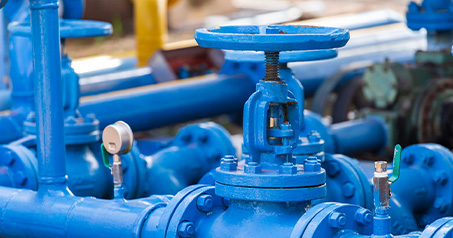
Understanding Y Strainer Flange Type An Essential Component in Fluid Systems In the realm of fluid m
 English